Showing posts with label design. Show all posts

Monday, July 27, 2020

Incredible How To Get A Career In Interior Design 2023

5 Things to Know About the Interior Design Career Path
5 Things to Know About the Interior Design Career Path from www.easyworknet.com

Are you passionate about creating beautiful spaces and inspiring others with your design skills? If so, a career in interior design may be the perfect fit for you. In this article, we will explore how to get a career in interior design, including the steps you can take to break into the industry and build a successful career.

The Pain Points of Getting a Career in Interior Design

Starting a career in interior design can be daunting, especially if you are unsure of where to begin. Many aspiring designers struggle to find the right opportunities and make a name for themselves in a competitive industry. Additionally, the lack of formal education or experience can be a barrier for some individuals.

How to Get a Career in Interior Design

While a formal education in interior design can be beneficial, it is not always required to start a career in the field. Here are some steps you can take to get started:

1. Gain Knowledge and Skills:

Take advantage of online resources, books, and workshops to learn about the principles and techniques of interior design. Building a strong foundation of knowledge will help you in your career.

2. Develop Your Portfolio:

Create a portfolio showcasing your design projects, even if they are personal or hypothetical. This will demonstrate your skills and style to potential clients or employers.

3. Network:

Attend industry events, join professional associations, and connect with other designers to expand your network. Building relationships in the industry can lead to job opportunities and mentorship.

4. Gain Experience:

Consider internships or entry-level positions to gain practical experience in the field. This will not only provide valuable learning opportunities but also help you build a professional reputation.

5. Stay Updated:

Keep up with the latest trends, technologies, and design software to stay competitive in the industry. Continuing education and staying informed will help you stand out as a knowledgeable designer.

Summary

In summary, getting a career in interior design requires a combination of knowledge, skills, experience, and networking. By continuously learning, building your portfolio, and connecting with others in the industry, you can pave the way for a successful career in interior design.

Personal Experience in Interior Design

When I first decided to pursue a career in interior design, I was overwhelmed by the number of paths I could take. However, I quickly realized that gaining knowledge and practical experience were key to standing out in the industry. I enrolled in online courses and attended workshops to learn the fundamentals of design.

As I built my portfolio, I worked on small projects for friends and family, creating beautiful and functional spaces that showcased my style and skills. Through networking events and industry conferences, I connected with established designers who provided guidance and mentorship.

One of the most valuable lessons I learned was the importance of staying updated with the latest trends and technologies. I invested in design software and attended seminars to expand my knowledge. This continuous learning has not only helped me stay competitive but also allowed me to offer innovative solutions to my clients.

Overall, building a career in interior design requires dedication, perseverance, and a passion for creating beautiful spaces. By following these steps and constantly learning and growing, you can turn your love for design into a successful career.

What is Interior Design?

Interior design is the art and science of enhancing the interior spaces of buildings to create aesthetically pleasing and functional environments. It involves the arrangement and selection of furniture, colors, materials, and accessories to create harmonious and visually appealing spaces.

Interior designers work closely with clients to understand their needs, preferences, and budget. They then use their knowledge of design principles, space planning, and materials to transform a space into a functional and visually appealing area.

Interior design is not just about making a space look good; it is about creating environments that improve the quality of life for those who inhabit them. Whether it's a residential, commercial, or public space, interior designers strive to create spaces that are comfortable, functional, and reflective of the client's personality or brand.

The History and Myth of Interior Design

Interior design has a rich history that dates back to ancient civilizations. In ancient Egypt, for example, interior design played a significant role in creating grandiose and opulent spaces for pharaohs and nobles. The use of luxurious materials, intricate carvings, and decorative elements was common during this time.

During the Renaissance period, interior design became more refined and focused on creating balanced and harmonious spaces. The use of symmetry, proportion, and classical architectural elements became popular, influenced by the works of renowned artists and architects.

While interior design has evolved over time, certain myths and misconceptions still persist. One common myth is that interior design is only for the wealthy or elite. In reality, interior design can be accessible to anyone, regardless of their budget. Good design is not necessarily about expensive materials or furnishings; it is about creativity, problem-solving, and creating spaces that reflect the client's vision.

Another myth is that interior design is purely decorative and has no real impact on people's lives. In truth, interior design can greatly affect the mood, productivity, and overall well-being of individuals. Thoughtful design choices, such as the use of natural light, comfortable furniture, and appropriate color palettes, can create spaces that promote relaxation, creativity, and productivity.

The Hidden Secrets of Interior Design

While interior design may seem like a straightforward profession, there are hidden secrets that can make a significant difference in the success of a project. Here are a few secrets that experienced interior designers swear by:

1. Lighting is Key:

Proper lighting can transform a space and enhance its ambiance. Consider different lighting options, such as natural light, task lighting, and ambient lighting, to create a well-lit and inviting space.

2. Scale and Proportion:

Paying attention to scale and proportion is crucial in creating a visually appealing space. Ensure that furniture and accessories are appropriately sized for the room and that they relate to each other harmoniously.

3. Textures and Patterns:

Adding textures and patterns to a space can add visual interest and depth. Experiment with different textures, such as velvet, silk, or wood, and mix and match patterns to create a unique and personalized space.

4. Functionality and Practicality:

While aesthetics are important, it is essential to prioritize functionality and practicality in design. Consider the needs and lifestyle of the client and design spaces that are not only beautiful but also serve a purpose.

Recommendations for Getting a Career in Interior Design

If you're looking to start a career in interior design, here are some recommendations to help you get started:

1. Education:

Consider pursuing a formal education in interior design, such as a degree or diploma program. This will provide you with a solid foundation of knowledge and skills.

2. Build a Portfolio:

Create a portfolio showcasing your best design projects. Include a variety of styles and spaces to demonstrate your versatility and creativity.

3. Internships and Apprenticeships:

Gain practical experience by interning or apprenticing with established designers or design firms. This will provide you with hands-on experience and valuable industry connections.

4. Networking:

Attend industry events, join professional associations, and connect with other designers to expand your network. Building relationships in the industry can lead to job opportunities and mentorship.

5. Stay Updated:

Keep up with the latest trends, technologies, and design software to stay competitive in the industry. Continuing education and staying informed will help you stand out as a knowledgeable designer.

6. Professionalism and Ethics:

Maintain a high level of professionalism and ethical standards in your work. Treat clients, colleagues, and suppliers with respect and integrity.

Dive Deeper into How to Get a Career in Interior Design

Now that you have a basic understanding of how to get a career in interior design, let's dive deeper into the topic. In this section, we will explore different aspects of the industry and provide more in-depth information to help you succeed.

1. Education and Certification:

While a formal education in interior design is not always required, it can provide you with valuable knowledge and skills. Consider pursuing a degree or diploma program from an accredited institution. Additionally, obtaining certifications, such as the National Council for Interior Design Qualification (NCIDQ), can further enhance your credibility as a professional designer.

2. Specialization:

Consider specializing in a specific area of interior design, such as residential, commercial, or hospitality design. Specializing can help you establish a niche and attract specific types of clients.

3. Marketing and Branding:

Develop a strong personal brand and create a marketing strategy to promote your services. Utilize social media platforms, create a professional website, and showcase your work through online portfolios or blogs.

4. Client Relationships:

Building strong

Sunday, July 19, 2020

+29 Cardboard Canoe Design Ideas

3D Canoe Cardboard StandUp Oriental Trading Canoe, Camping decor
3D Canoe Cardboard StandUp Oriental Trading Canoe, Camping decor from www.pinterest.com

Are you looking for a fun and creative project that will challenge your design skills? Look no further than cardboard canoe design. This unique and innovative design concept combines the practicality of a canoe with the eco-friendly nature of cardboard. Whether you're a seasoned designer or just starting out, cardboard canoe design offers endless possibilities for creativity and exploration.

Cardboard canoe design can be a challenging and complex process, but the end result is well worth the effort. One of the pain points of this design is finding the right materials that are durable and waterproof. Another pain point is ensuring that the design is structurally sound and able to withstand the weight and pressure of being in the water. However, with careful planning and attention to detail, these challenges can be overcome.

The target of cardboard canoe design is to create a functional and aesthetically pleasing watercraft using cardboard as the primary material. The goal is to design a canoe that is capable of floating and maneuvering in the water, while also being strong and durable enough to withstand the elements. This design concept is perfect for those who enjoy DIY projects and want to explore their creativity.

In summary, cardboard canoe design offers a unique and innovative way to create a functional and eco-friendly watercraft. It requires careful planning and attention to detail, but the end result is a one-of-a-kind design that is both practical and visually appealing. Whether you're a seasoned designer or just starting out, cardboard canoe design is a project that will challenge and inspire you.

Cardboard Canoe Design: Exploring the Possibilities

When I first heard about cardboard canoe design, I was intrigued. The idea of creating a functional canoe out of cardboard seemed like a fun and challenging project. I decided to give it a try and was amazed at the possibilities that this design concept offered.

My personal experience with cardboard canoe design started with researching different types of cardboard and their properties. I learned that there are several different types of cardboard available, each with its own strengths and weaknesses. I chose a high-quality corrugated cardboard for my design, as it offered the best combination of strength and flexibility.

Once I had chosen my materials, I began the process of designing my canoe. I started by sketching out different shapes and sizes, experimenting with different hull designs and seating arrangements. I wanted to create a canoe that was not only functional but also visually appealing.

After finalizing my design, I began the construction process. I carefully cut and folded the cardboard to create the hull of the canoe, reinforcing key areas with additional layers for added strength. I used a combination of adhesive and staples to secure the cardboard together, ensuring that the canoe would hold up in the water.

Once the construction was complete, it was time to put my cardboard canoe to the test. I took it out on a calm lake and was amazed at how well it performed. The canoe was stable and maneuverable, gliding effortlessly through the water. It was a truly exhilarating experience.

Cardboard canoe design offers endless possibilities for creativity and exploration. Whether you're a seasoned designer or just starting out, this design concept is sure to challenge and inspire you. So grab your cardboard and get ready to embark on a unique and exciting design journey.

What is Cardboard Canoe Design?

Cardboard canoe design is the process of creating a functional watercraft using cardboard as the primary material. It combines the practicality of a canoe with the eco-friendly nature of cardboard, resulting in a unique and innovative design concept.

The design process begins with researching different types of cardboard and their properties. There are several different types of cardboard available, each with its own strengths and weaknesses. It's important to choose a high-quality cardboard that is durable and waterproof.

Once the materials have been chosen, the next step is to design the canoe. This involves sketching out different shapes and sizes, experimenting with different hull designs and seating arrangements. The goal is to create a design that is both functional and visually appealing.

After the design has been finalized, the construction process can begin. This involves cutting and folding the cardboard to create the hull of the canoe, reinforcing key areas with additional layers for added strength. Adhesive and staples are used to secure the cardboard together, ensuring that the canoe will hold up in the water.

Once the construction is complete, it's time to put the cardboard canoe to the test. Take it out on the water and see how it performs. If all goes well, you'll have a functional and visually appealing watercraft that is sure to impress.

The History and Myth of Cardboard Canoe Design

Cardboard canoe design has a rich history and is steeped in myth and legend. The origins of this design concept can be traced back to ancient civilizations, where cardboard was used as a lightweight and portable material for transportation.

According to myth, the first cardboard canoe was created by a group of ancient explorers who were in search of a lightweight and portable watercraft. Legend has it that they stumbled upon a secret technique for transforming cardboard into a durable and waterproof material.

Over the centuries, cardboard canoe design has evolved and adapted to the needs of different cultures and civilizations. In some cultures, cardboard canoes were used for transportation and trade, while in others they were used for recreational purposes.

Today, cardboard canoe design continues to be a popular and innovative design concept. It offers a unique and eco-friendly alternative to traditional watercraft, allowing designers to explore their creativity and push the boundaries of what is possible.

The Hidden Secret of Cardboard Canoe Design

One of the hidden secrets of cardboard canoe design is the incredible strength and durability of cardboard as a material. Many people underestimate the capabilities of cardboard and assume that it is a weak and flimsy material.

However, when used correctly and in the right applications, cardboard can be incredibly strong and durable. The key is to choose the right type of cardboard and reinforce key areas with additional layers for added strength.

Another hidden secret of cardboard canoe design is the versatility of the material. Cardboard can be easily cut, folded, and shaped to create complex and intricate designs. This allows designers to create unique and visually appealing watercraft that are sure to impress.

Cardboard canoe design also offers a hidden secret in terms of its environmental impact. Cardboard is a sustainable and recyclable material, making it an eco-friendly choice for designers who are conscious of their carbon footprint.

Recommendations for Cardboard Canoe Design

When it comes to cardboard canoe design, there are a few recommendations that can help ensure a successful project. First and foremost, it's important to choose the right type of cardboard. Look for a high-quality corrugated cardboard that is durable and waterproof.

It's also important to carefully plan and design your canoe before starting the construction process. This involves sketching out different shapes and sizes, experimenting with different hull designs and seating arrangements. Take the time to create a design that is both functional and visually appealing.

During the construction process, take care to reinforce key areas of the canoe with additional layers of cardboard. This will help to ensure that the canoe is strong and durable enough to withstand the elements.

Finally, don't be afraid to experiment and think outside the box when it comes to cardboard canoe design. This design concept offers endless possibilities for creativity and exploration, so don't be afraid to push the boundaries and try something new.

Cardboard Canoe Design: Tips and Tricks

When it comes to cardboard canoe design, there are a few tips and tricks that can help ensure a successful project. First and foremost, it's important to choose the right type of cardboard. Look for a high-quality corrugated cardboard that is durable and waterproof.

During the construction process, take care to reinforce key areas of the canoe with additional layers of cardboard. This will help to ensure that the canoe is strong and durable enough to withstand the elements.

It's also important to carefully plan and design your canoe before starting the construction process. Take the time to create a design that is both functional and visually appealing, and don't be afraid to experiment with different shapes and sizes.

Finally, have fun and enjoy the process of cardboard canoe design. This design concept offers endless possibilities for creativity and exploration, so don't be afraid to let your imagination run wild.

Cardboard Canoe Design: Frequently Asked Questions

Q: Can I use any type of cardboard for my design?

A: It's important to choose a high-quality corrugated cardboard that is durable and waterproof. This will ensure that your canoe is strong and able to withstand the elements.

Q: How long does it take to build a cardboard canoe?

A: The time it takes to build a cardboard canoe can vary depending on the complexity of the design and your level of experience. Typically, it can take anywhere from a few days to a few weeks to complete a cardboard canoe design project.

Q: Can a cardboard canoe really float?

A: Yes, a properly designed and constructed cardboard canoe can float and be maneuverable in the water. However, it's important to take proper safety precautions and always wear a life jacket when using your canoe.

Q: Can I decorate my cardboard canoe?

A: Absolutely! One of the great things about cardboard canoe design is that it offers endless possibilities for creativity and personalization. You

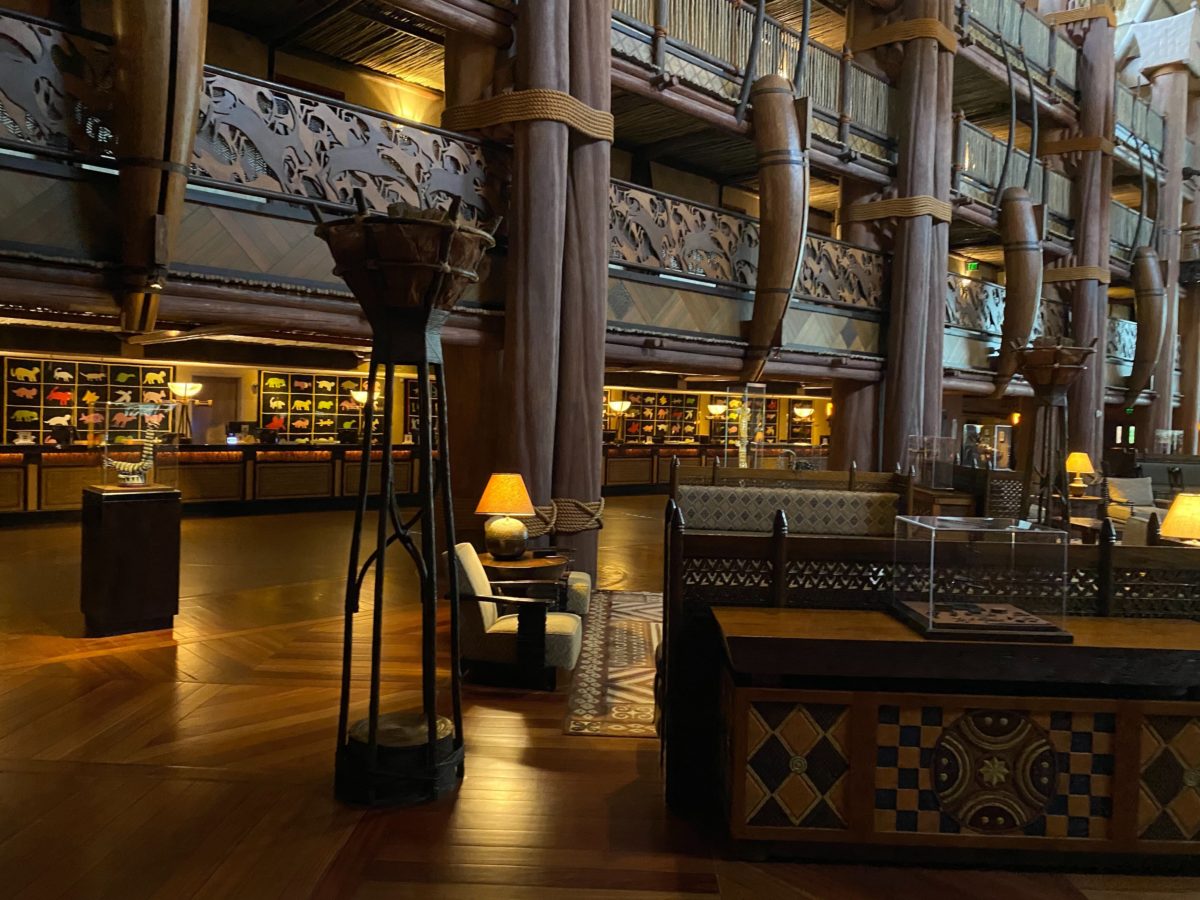
Ultimate Guide to Animal Kingdom Jambo House Rooms

Table Of Content Bedroom Villa - Standard View Savanna View - Club Level Access Deluxe Studio - Standard View Animal Kingdom Lodge – Jambo H...